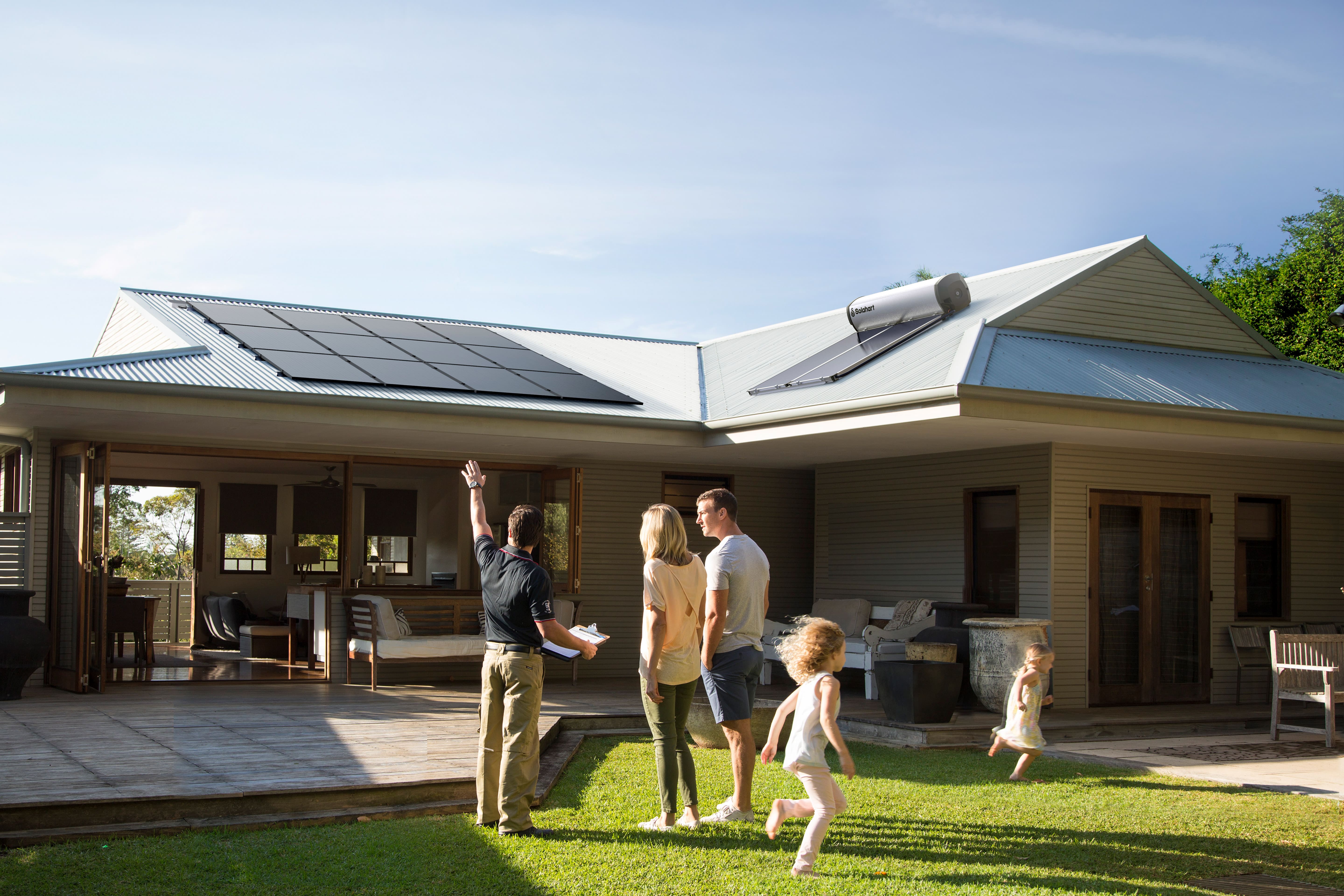
Why Australian Homeowners Are Going Solar
It's no secret that electricity bills have been climbing across Australia. More and more homeowners are turning to solar power as a practical solution to manage rising energy costs while simultaneously reducing their environmental footprint. Solar systems work by capturing the sun's energy and converting it into electricity your household can use—a straightforward process that's become increasingly affordable and reliable.
The beauty of solar energy lies in its simplicity. Photovoltaic panels generate direct current (DC) electricity, which is then converted into alternating current (AC) through an inverter, making it compatible with your home's electrical systems. For Australian families looking to take control of their energy expenses and contribute to a cleaner future, solar has become an obvious choice.
Understanding Your Current Energy Needs
Before planning for the future, it's worth understanding where you stand today. The typical Australian household uses approximately 16 kilowatt-hours (kWh) of electricity each day. For most families at this consumption level, a 5-kilowatt (kW) solar system generates sufficient power to cover daytime electricity usage.
However, here's the important part: your energy needs aren't static. They're likely to change over the next decade or two, which is why thinking beyond your immediate requirements makes financial and practical sense.
The Importance of Future-Proofing Your Investment
One of the smartest decisions you can make when installing solar is to anticipate your future energy demands. If your roof has available space, consider installing additional panels now or selecting an inverter that can accommodate more panels down the track. This forward-thinking approach protects your investment and ensures your system can handle the evolving electricity demands of modern Australian living.
This doesn't necessarily mean you need to install everything at once. Rather, it means choosing equipment that's capable of expansion and positioning your system to grow as your needs change. Think of it as building flexibility into your energy infrastructure.
The Electrification Shift in Australia
Australia is undergoing a significant transformation in how we power our daily lives. Electrification—the movement away from fossil fuels towards renewable electricity for everything from transport to home heating—is accelerating across the country.
Several factors are driving this change. The Australian Government's National Electric Vehicle Strategy is making electric vehicles more affordable and expanding charging infrastructure nationwide. Beyond government support, households are recognising the economic advantages of switching to efficient electric appliances and vehicles powered by clean energy. There's also the environmental perspective: transitioning to electric solutions directly reduces carbon emissions and supports Australia's commitment to decarbonisation.
This shift has real implications for your home. As more Australian families adopt electric vehicles and upgrade to electric heating and cooking appliances, the baseline electricity demand on homes is increasing. Your solar system needs to be ready for this change.
Planning for Your Evolving Energy Demands
Several common scenarios could increase your household's electricity consumption in the coming years:
Growing Your Family: More people in your home naturally means higher energy usage across heating, cooling, hot water, and appliances.
Purchasing an Electric Vehicle: EVs represent a significant new electricity load. Charging them at home requires substantial additional capacity, particularly if you're charging overnight.
Upgrading to Smart Appliances: Modern electric hot water systems, heat pumps, and other energy-efficient technologies often consume more electricity than older alternatives, though they deliver better overall efficiency.
Home Extensions: Adding features like a swimming pool introduces substantial new energy demands. Pool pumps and heating systems can dramatically increase your household's electricity consumption.
Installing Climate Control: Enhanced air conditioning, heating systems, or ventilation solutions all contribute to rising energy needs.
By thinking through these possibilities now, you can ensure your solar system isn't undersized for your real-world future. Installing additional panels or a larger capacity inverter during your initial installation is far more cost-effective than upgrading later.
Maximising Efficiency Through Premium Components
Beyond system size, the quality of your solar components significantly impacts long-term performance. High-efficiency solar panels generate more electricity per square metre, making superior use of your available roof space. This is particularly valuable for Australian homes where roof orientation and available area might be limiting factors.
Equally important is investing in world-class inverter technology. Your inverter is the heart of your system, responsible for converting solar energy into usable household electricity. Quality inverters not only perform better but also last longer and often provide better monitoring and control capabilities.
Taking the Long View
Your solar investment is exactly that—an investment in your home's future. Rather than installing a system that merely covers today's needs, consider what your household might look like in 10, 15, or 20 years. Will you have an electric vehicle? More family members? New appliances? Building flexibility and extra capacity into your system now ensures you'll continue enjoying maximum savings and reliability as your life evolves.
The energy landscape in Australia is changing rapidly, and your solar system should be equipped to change with it.